Web design & build · New Zealand
A site that turns a search into a booking
A restaurant site has one job and about four seconds to do it. We design and build the whole route: the search result, the menu, the photograph that decides them, the booking they finish without leaving the page.
What we build
The whole
front door
Not a template with your photographs dropped into it. Each of these is built around how the room actually trades.
Venue and restaurant sites
Photographic, fast, and written to be read on a phone at the end of a working day. Structure follows the decision a guest is making, not the org chart.
Fewer dead ends between finding you and booking you.
Menus that stay current
Menus as content, not a PDF nobody replaces. Priced, allergen-marked, seasonal sections that come and go without a developer.
The menu on the site is the menu on the pass.
Booking and ordering
Integration with the booking, ordering and delivery platforms you already run, placed where the decision happens rather than behind a menu item.
The booking finishes on the page the guest is already on.
Shop, gift cards and events
Card checkout for vouchers, tastings, wine club and ticketed nights, with payment on the provider’s hosted page, never on a form we wrote.
Revenue from the site outside trading hours.
A CMS your team can run
An editor built for the venue: change a price, swap a photograph, publish a piece, take a section down. No training day, no invoice for a typo.
Edits happen the day they are needed.
Search and local visibility
Titles, descriptions, structured data and page structure written for what people actually search: the dish, the suburb, the occasion.
Found by the guest who did not know your name yet.
How a site gets built
Seven stages,
and what you sign off
Each stage ends with something you can hold and approve. Nothing moves forward on a verbal yes.
01
Discovery
We walk the floor, read the menu, look at what the current site is doing and where guests give up. We ask what the room needs to sell more of.
You get: a written brief and the list of what is losing you bookings.
02
Strategy
Sitemap, page structure and the route from a search result to a confirmed booking. We agree what each page has to do before anyone draws anything.
You get: a sitemap and the booking journey, in writing.
03
Design
The home page and one inner page, designed properly at desktop and mobile. Type, colour and photography direction settled here, not argued over later.
You get: two designed pages to approve, in both sizes.
04
Build
The approved design built as a real site, with the CMS wired up and the booking, ordering and payment integrations connected.
You get: a private staging link, updated as it goes.
05
Testing
Every page on real phones, tablets and desktops. Forms and payments tested end to end. Keyboard navigation, contrast and alt text checked.
You get: a tested site and the fixes list, closed out.
06
Launch
Domain, certificates and redirects from the old addresses so nothing that ranked is thrown away. We hand over the CMS with your team in the room.
You get: the live site, the logins and a handover session.
07
Growth
What the site does after launch: what people search to reach it, where they stop, what to change next season. Improvements, not a rebuild every two years.
You get: a plain-English report and the next changes.
Why us
Built by people who
have run the room
We walk the floor before we write anything
The rota, the pass and the route to the bin store tell you things a brief never will. The site is designed around the business we saw, not the one described in a meeting.
The same team plans the menu
Web design sits beside concept, menu engineering and feasibility here. The people writing your menu descriptions are the people writing your menu page.
Judged on covers, not impressions
We report on what the site did for the room: bookings, orders and vouchers. Traffic that never sat down is not a result.
Editable by your team, not only by us
Every price, photograph and section is yours to change. We would rather you never had to email us about a typo.
Speed treated as a feature
Guests decide on a phone, often on a poor connection. Pages are built to load fast on that phone, because a site nobody waits for is a site nobody books on.
A build
Fidelio,
Blenheim
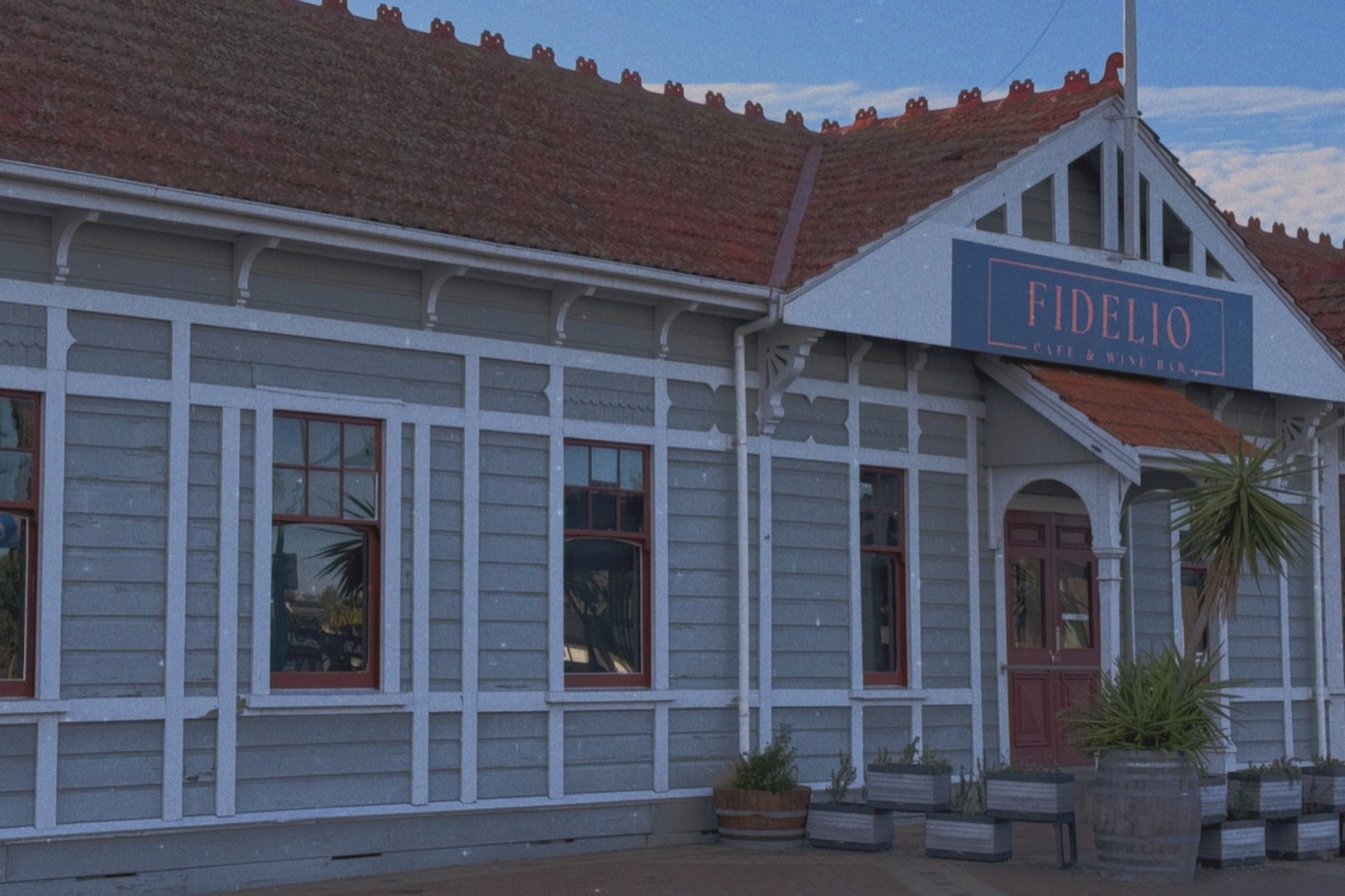
Café & wine bar · Blenheim
The challenge
A Marlborough wine bar and café in the old Blenheim railway station, pouring boutique producers who have no cellar door of their own. The site behind it had grown into a PHP application with a thirty-four file admin and its content in JSON files on disk. Workable, but not something the venue could safely change on a Tuesday.
The approach
Rebuilt as a single application with the content in a database and one admin behind it. The document shapes were kept exactly as they were, so the existing content moved across without being retyped or reshaped, and the old site could still read it if anything went wrong.
What it does
- Menu, story, visit, events, tastings and wine club as editable pages
- Shop and gift cards with card checkout
- A journal, with drafts and scheduled publishing
- One admin covering pages, menu, shop, gifts, media, orders and social
- Image uploads handled outside the codebase, so a deploy never wipes them
Built with
- Next.js
- React
- TypeScript
- Postgres
- Hosted card checkout
- Blob storage
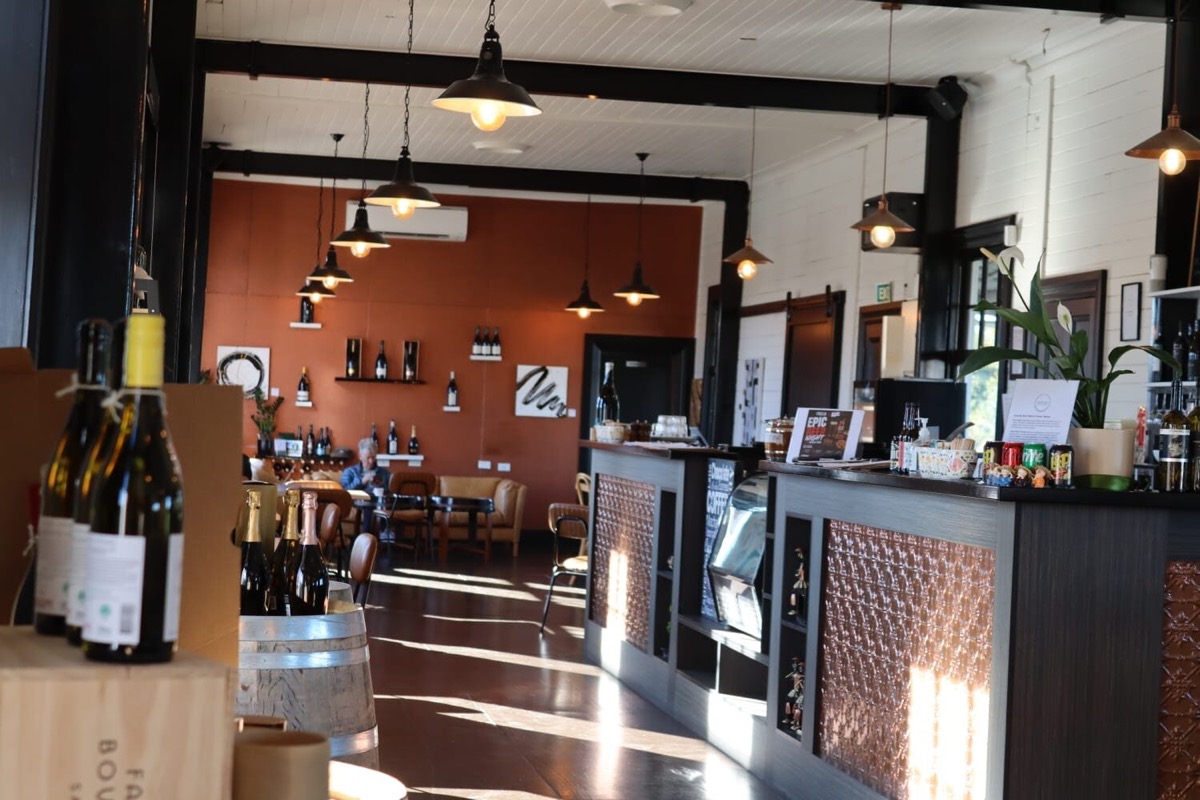
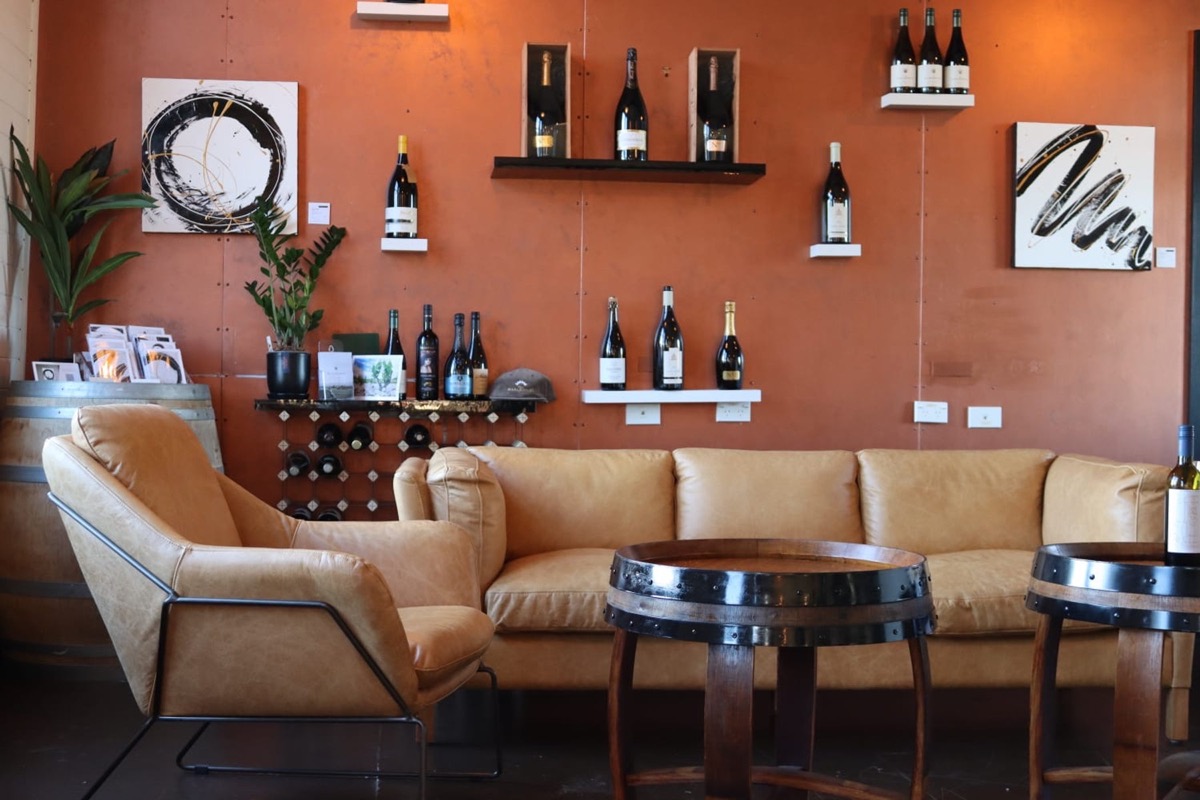
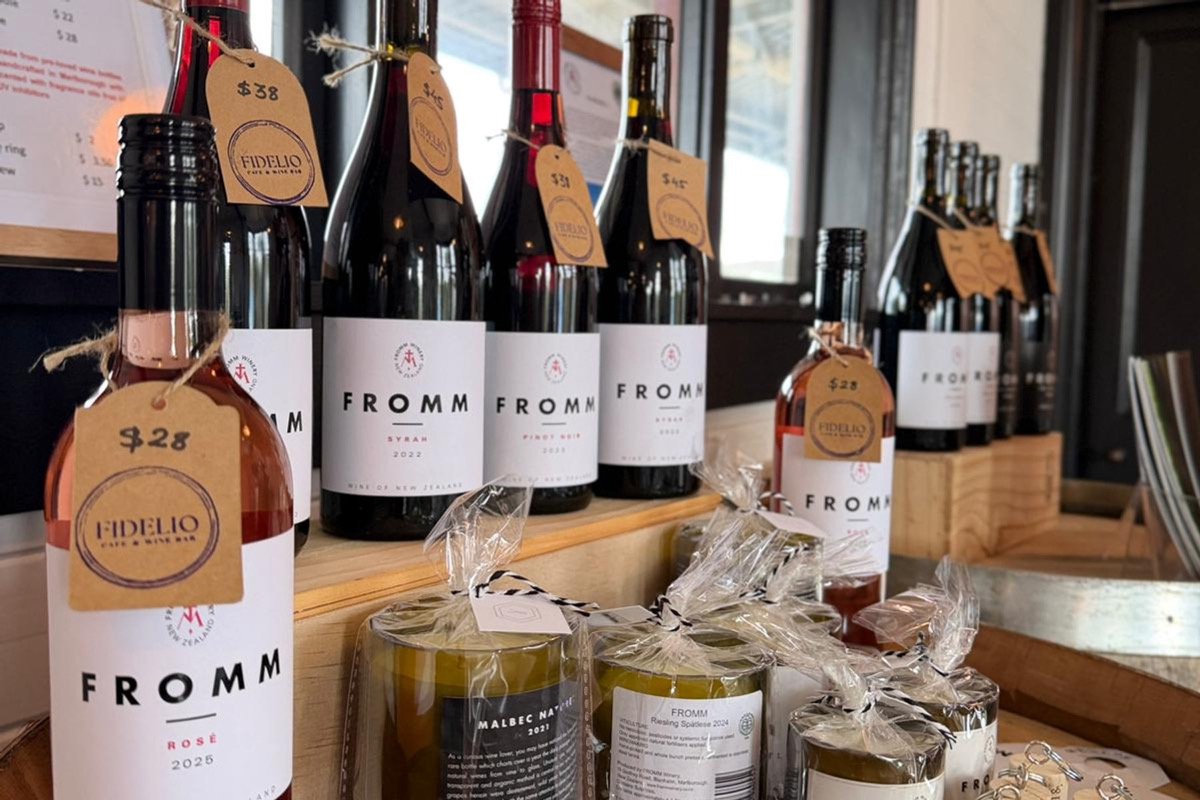
The room it was built for
Results
Trading figures for this build are not published here. We report results to a client once they are measured. We do not put numbers on a page we cannot stand behind.
fidelio.co.nz(opens in a new tab)Questions
What people ask
before they start
How long does a site take?
Most venue sites run six to ten weeks from the first floor visit to launch, depending on how much photography and menu work is needed. We give you a dated stage plan after discovery, not before.
What does it cost?
It is priced per project, after a scoping call. A one-page venue site and a site with a shop, gift cards and ticketed events are not the same job. You get a fixed written quote before anything starts.
Can we edit it ourselves?
Yes, and that is the point. Every price, photograph, menu section and page is editable from an admin built for the venue. We hand it over with your team in the room and leave you the logins.
Do you work with our booking system?
We integrate with the booking, ordering and delivery platforms you already run rather than asking you to switch. If you have not chosen one, we will tell you what suits the room.
Do you do the photography?
We direct it and arrange the shoot as part of the project. Good photography is usually the single biggest difference between a site that converts and one that does not.
What happens after launch?
The Growth stage continues: we watch what people search to reach you, where they stop, and what to change next season. Ongoing support is arranged per venue rather than sold as a fixed retainer.
Tell us about
the room
Send the venue, the problem and roughly when you want to open the doors on it. We will come back with what we would do and what it would cost.